Blog
Everything You Need to Know About Bearded Dragons for Sale

Introduction to Bearded Dragons
Bearded dragons, scientifically known as Pogona, are among the most beloved reptiles kept as pets. Originating from the arid regions of Australia, these reptiles are well adapted to their environment, characterized by sandy and rocky terrains. Bearded dragons have become increasingly popular due to their amiable disposition, ease of care, and engaging behaviors, making them suitable companions for both novice and experienced reptile enthusiasts.
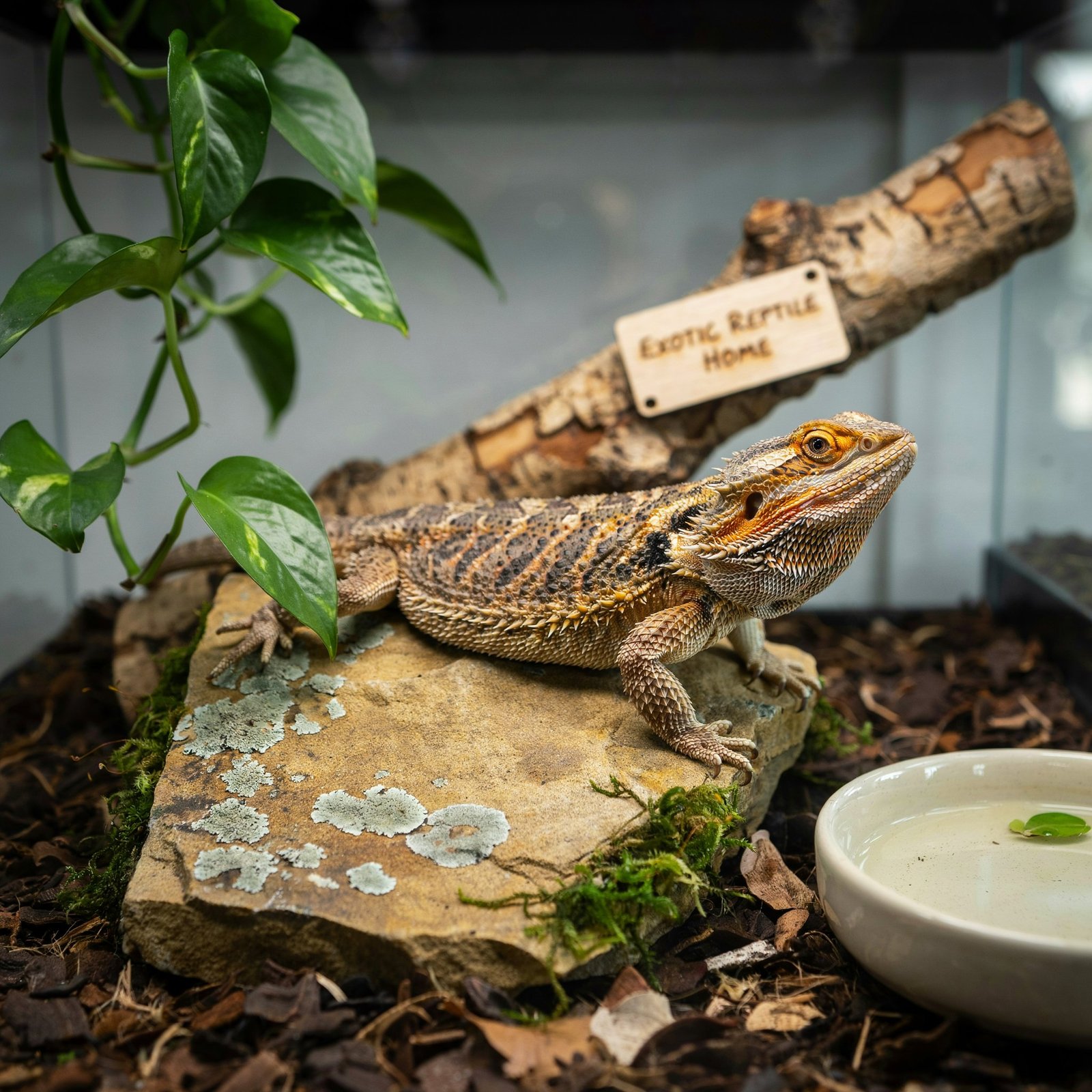
In their natural habitat, bearded dragons exhibit fascinating behaviors, including basking in the sun and displaying unique communication patterns. A notable physical characteristic is the spiny throat pouch that can expand, resembling a beard; this is particularly prominent during mating displays or when they feel threatened. Their coloration typically ranges from tan to vibrant hues, providing a striking appearance that further attracts potential pet owners.
Bearded dragons possess a manageable size, typically growing to about 18 to 24 inches in length, which makes them an appealing choice for those with limited space. Their docile nature is complemented by an inquisitive temperament, allowing them to engage readily with their human companions. Observing a bearded dragon’s interactions can be quite delightful, as they enjoy not only basking but also exploring their surroundings.
As pets, bearded dragons thrive best in a controlled environment, with specific heat and lighting requirements to mimic their natural habitat. A proper diet consisting of insects, vegetables, and occasional fruits is crucial for their health and wellbeing. With their friendly demeanor and relatively straightforward care needs, it is easy to see why bearded dragons have found a cherished place in many households as beloved pets.
Choosing the Right Bearded Dragon for Your Home
When considering the adoption of a bearded dragon, it’s essential to understand the different types available for sale. Commonly, the two main species that enthusiasts look for are the Central Bearded Dragon (Pogona vitticeps) and the Eastern Bearded Dragon (Pogona barbata). Each species exhibits unique traits and behaviors that can influence your choice. Additionally, bearded dragons come in a variety of color morphs, including but not limited to hypo, leatherback, and translucent. These color variations not only enhance their visual appeal but may also influence their temperament and care requirements.
In the selection process, several factors should be considered to ensure that the bearded dragon fits well with your home environment. Age matters significantly; juvenile dragons require a different level of care and attention than adult dragons. Younger dragons are typically more energetic and require more dedicated space and heat than their mature counterparts. Health is paramount in your decision-making process. Always look for signs of a healthy dragon, such as clear eyes, alert behavior, and a clean vent area. Avoid any individuals showing signs of lethargy, abnormal posture, or lack of appetite.
Lastly, temperament plays a crucial role when choosing your bearded dragon. Some may be more docile and friendly, while others might display a more skittish nature. Visiting reputable breeders or pet stores allows you to observe the animals’ behavior firsthand and interact with them. This interaction can be invaluable in assessing each dragon’s compatibility with your lifestyle and means of care. By considering species type, age, health, and temperament, you can confidently choose a bearded dragon that will thrive in your home.
Caring for Your Bearded Dragon
Caring for your bearded dragon requires a thoughtful approach to replicate their natural habitat and cater to their specific needs. Bearded dragons originate from arid regions in Australia, so their habitat should reflect these conditions. A suitable enclosure measuring at least 40 gallons is recommended for adults, featuring a secure, escape-proof lid and a substrate that facilitates easy cleaning and prevents bacterial growth. Use materials like reptile carpet or paper towels for a safe environment.
Lighting plays a vital role in maintaining your bearded dragon’s health. They require a basking spot with temperatures ranging from 100°F to 110°F, created using heat lamps during the day. A UVB light should also be installed, as it aids in the synthesis of vitamin D3, which is crucial for calcium absorption. Ensure the UVB light is replaced every six months, as its effectiveness diminishes over time.
Dietary needs are equally important; bearded dragons are omnivorous, requiring a balanced diet of insects, leafy greens, and vegetables. Crickets, dubia roaches, and mealworms should comprise a significant part of their protein intake. Additionally, dusting their food with calcium and vitamin supplements will promote optimal growth and prevent metabolic bone disease.
Temperature control should be monitored daily, as extreme fluctuations can lead to stress or health issues. Ensure that there is a thermal gradient within the enclosure, allowing your bearded dragon to self-regulate their body temperature. Common health problems include respiratory infections, impaction, and metabolic bone disease, often related to improper care. Regular check-ups with a reptile veterinarian are advisable to catch any early signs of illness.
By adhering to these guidelines, you can create a thriving environment for your bearded dragon, paving the way for a happy and healthy pet experience.
Finding Bearded Dragons for Sale: Where to Look
When searching for bearded dragons for sale, potential owners have several options. These include local pet stores, breeders, and various online platforms. Each source presents its own advantages and disadvantages, so it is crucial to evaluate them carefully.
Local pet stores often provide the convenience of immediate availability and the ability to see the animals in person. However, it’s essential to ensure that the store sources its reptiles ethically. Some pet stores may not offer the best care for their animals or may sell bearded dragons that come from questionable backgrounds. Prices at pet stores can vary widely, usually ranging from $40 to $150, depending on the age and color of the dragon.
Breeders are often considered a more reliable source for bearded dragons. They tend to have superior knowledge about the specific care requirements and health concerns associated with their reptiles. A reputable breeder can provide health guarantees and necessary documentation, such as breeding records and genetic information. It’s important to research breeders in your area and ask questions about their breeding practices, as well as to seek reviews from other customers. Prices from breeders typically range from $50 to $200 depending on the unique traits of the dragon.
Lastly, there are many online platforms where bearded dragons can be purchased. Websites dedicated to exotic pets often list dragons from both retailers and breeders. While purchasing online can access a wider variety of dragons, it is vital to choose established and reputable sellers. Pay careful attention to shipping conditions, as they can significantly impact the well-being of the reptile during transit. Additionally, online prices may include shipping fees, so factor this into your budget.
Regardless of where you choose to buy, consider the option of adoption. Many rescues and shelters have bearded dragons in need of homes, providing a compassionate alternative to purchasing. Ultimately, prioritizing ethical sources, whether through breeders or adoption, ensures that you support the reptile community responsibly.